BUYING
Look for the logo
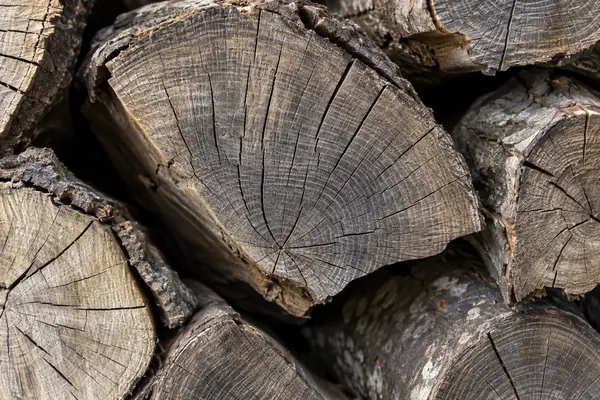
In England, wood sold in volumes under 2 cubic metres must be certified Ready to Burn, confirming a moisture content of 20% or less.
Check your logs doodlelog
00WHAT THE GUIDANCE SAYS
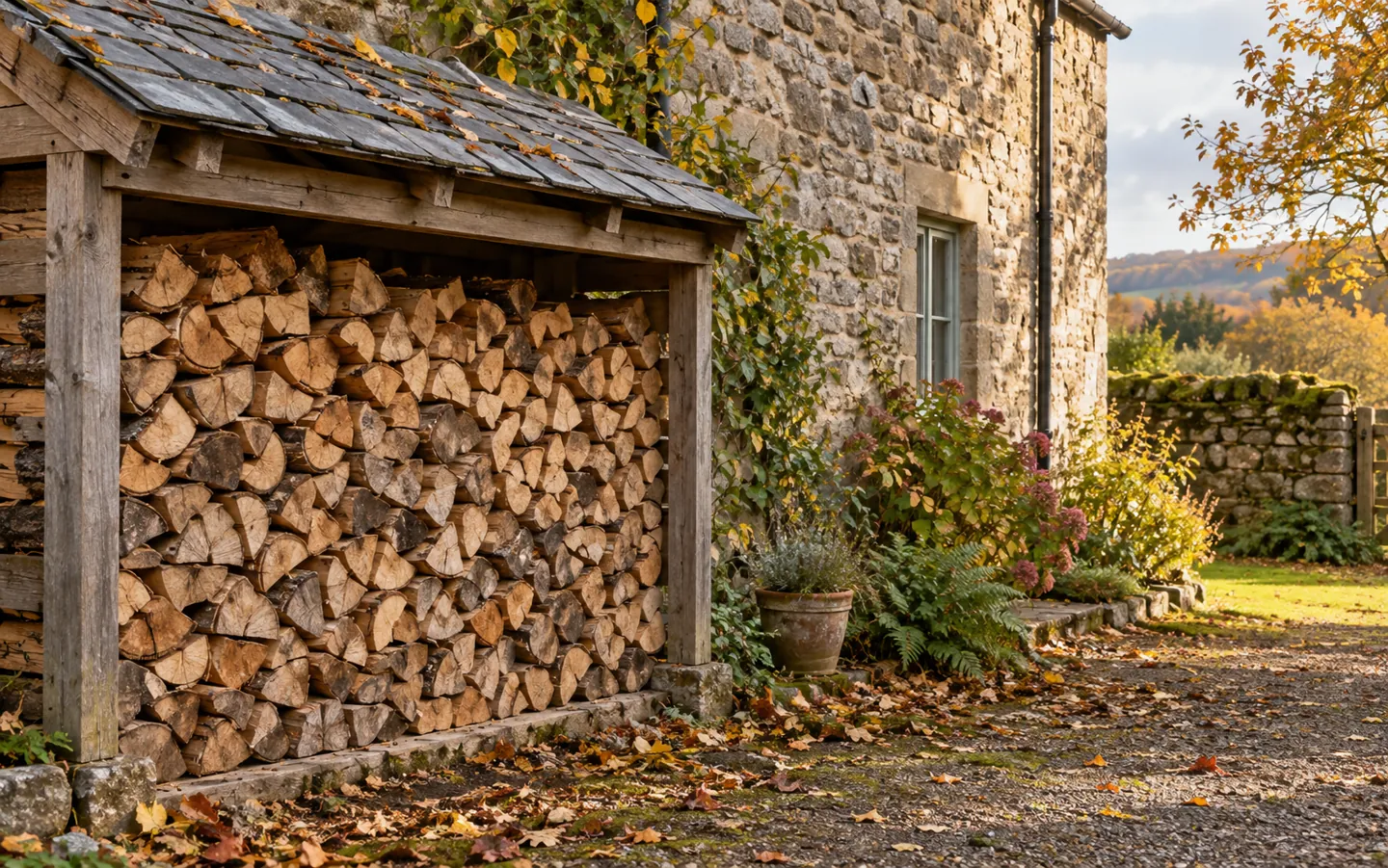
The best log is a dry one.
Wet wood smokes, wastes heat and is the reason for much of the regulation around stoves. UK guidance comes back to one number, 20% moisture, and a few simple rules about what you burn and where.
Check your logs01Principles
02THE SHORT ANSWER
Three rules cover most of it:
what you buy, how dry it is, and where you live.
BUYING
In England, wood sold in volumes under 2 cubic metres must be certified Ready to Burn, confirming a moisture content of 20% or less.
Check your logsDRYING
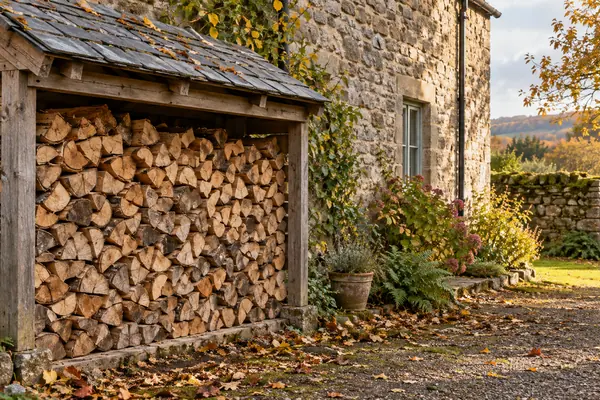
The Energy Saving Trust says to dry wet or unseasoned wood for at least a year, until it is below 20% moisture, and suggests a moisture meter to check.
How to dry itTHE RULES
Most urban areas in England are smoke control areas, where wood can only be burned in a Defra-exempt appliance.
See the penalties03A QUICK LOG CHECK
Pick the wood you have to see what the guidance says. The bar shows how much smoke and pollution it risks.
Based on GOV.UK domestic solid fuel rules, Energy Saving Trust advice and the Defra leaflet on open fires and wood-burning stoves. Rules differ in Scotland, Wales and Northern Ireland.
04TWO NUMBERS WORTH KNOWING
One figure for how dry fuel must be,
one for what smoke can cost in England.
20%
Most moisture allowed in Ready to Burn wood
Ready to Burn certification confirms a moisture content of 20% or less. It is required for wood sold in volumes of less than 2 cubic metres in England.
MOISTURE · GOV.UK
£300 max
Smoke from a chimney in a smoke control area
In England you may have to pay a penalty of up to £300 if your chimney releases smoke in a smoke control area. Buying unauthorised fuel for a non-exempt appliance can mean a fine of up to £1,000.
PENALTY · GOV.UK
The Energy Saving Trust adds that new wood burners in smoke control areas can't emit more than three grams of smoke per hour, and that wood burners are not banned anywhere in the UK.
05FOUR HABITS TO TRY
These come from Energy Saving Trust and Defra advice. None of them needs a new stove.
A moisture meter has two pins you press into the wood and shows the moisture as a percentage. Aim for under 20%.
If the house is already warm, not lighting the fire is the simplest way to cut cost and smoke.
Indoor air is more polluted when the door is opened to refuel or clear ash, so open it as little as possible.
Have the stove serviced annually, sweep the chimney regularly, and fit a carbon monoxide alarm in the room.
06WHY DRY MATTERS
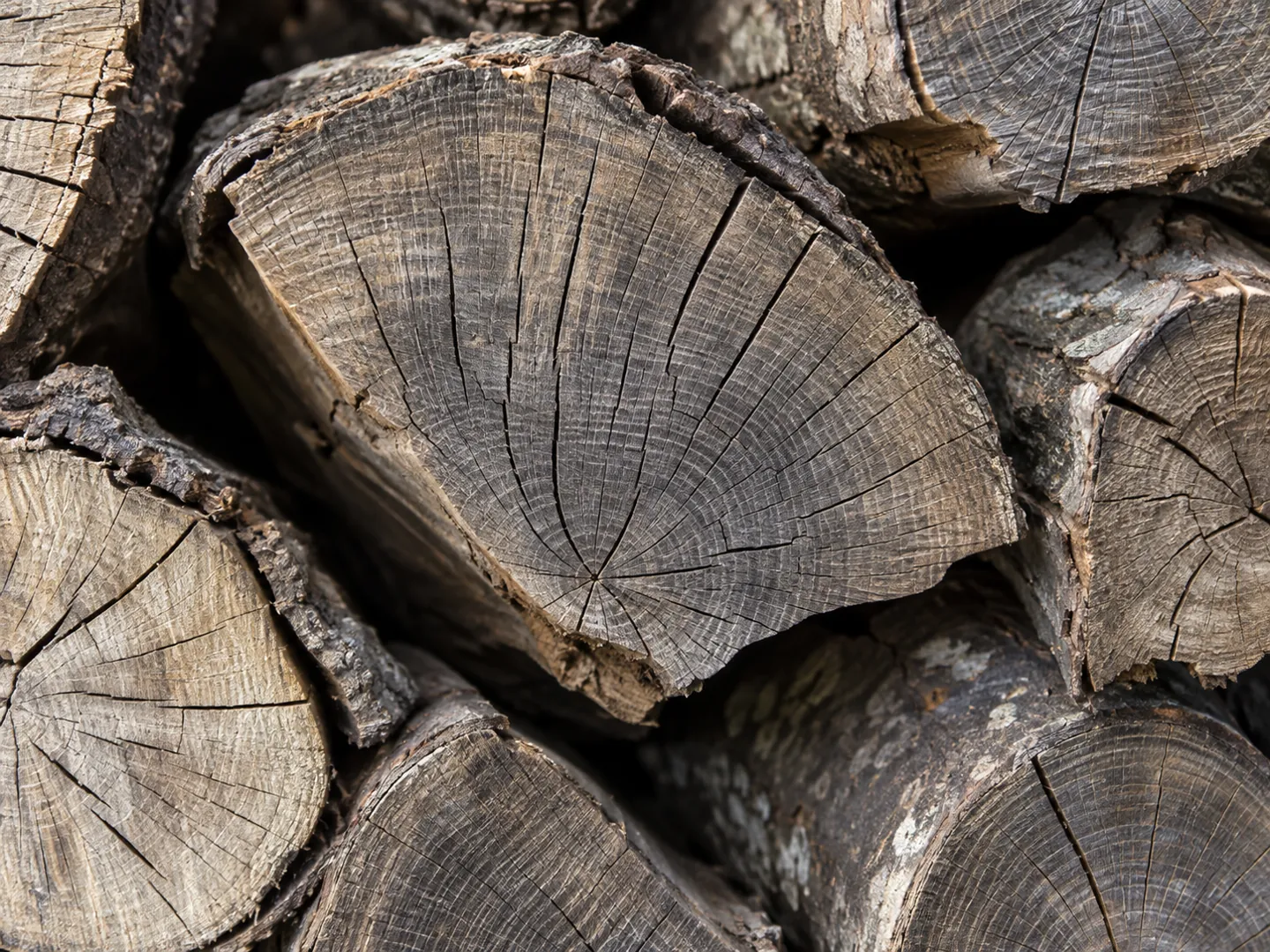
Burning wood, especially wet wood, releases fine particles called PM2.5, less than 2.5 micrometres across. The Energy Saving Trust notes the World Health Organization has identified them as particularly harmful to health.
Wet wood also burns less efficiently, because energy goes into turning the water into vapour instead of heating the room. The Defra leaflet adds that wet wood can damage your stove and chimney.
07Questions
Not at the moment. The Energy Saving Trust says there is no ban on wood burners anywhere in the UK, though their use is regulated in smoke control areas.
It is a certification showing the wood has a moisture content of 20% or less. In England, wood sold in volumes under 2 cubic metres must carry it, with a certification number.
The Energy Saving Trust advises drying wet or unseasoned wood for at least a year, until it has less than 20% moisture, and checking with a moisture meter.
Only in a Defra-exempt appliance, using fuel the manufacturer says it can burn. Otherwise you can only burn authorised or smokeless fuels.
No. The Defra leaflet says treated waste wood and household rubbish can emit harmful fumes and toxic pollutants, such as arsenic, when burnt.
08Sources
ABOUT THIS NAME
doodlelog.com is part of the DoodleSale portfolio. It isn't in an auction right now, but you can ask about leasing it.